Ai Prompt for Animal Oil Paintings: A Designer's Guide to Authentic Artistry
In a digital landscape saturated with vector graphics and sterile photography, there is a profound resurgence of interest in textures that feel human. This is where the concept of an Ai Prompt for Animal Oil Paintings becomes a pivotal design asset. It is not merely a software tool, but a creative catalyst that bridges the gap between traditional fine art techniques and modern content creation. For designers, entrepreneurs, and content creators, mastering this prompt means unlocking a library of visuals that possess the soul of a canvas painting—the thick impasto textures, the rich interplay of light and shadow, and the visceral emotional weight of oil pigments. It allows you to generate imagery that captures the "happy accidents" of a paintbrush, offering a raw, tactile quality that is incredibly difficult to replicate with standard digital drawing tools.
Visual Characteristics: Texture, Color, and Light
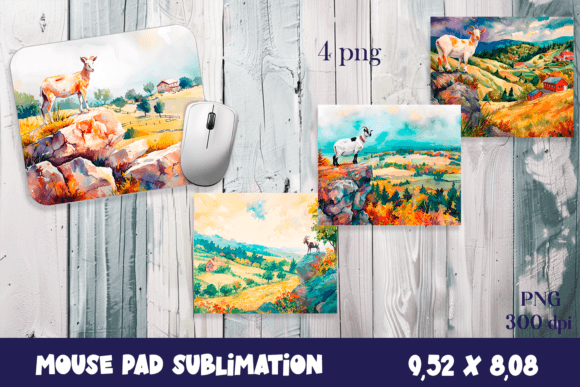
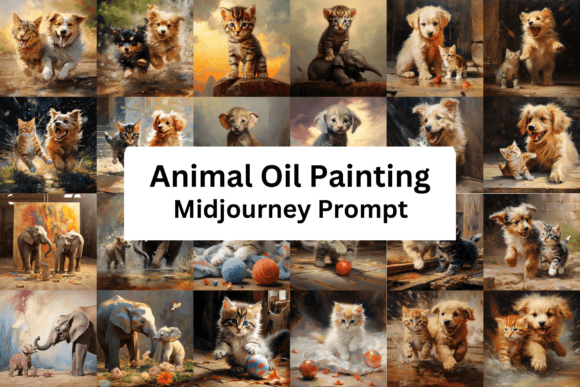
When you utilize a high-quality prompt for animal oil paintings, the output transcends simple illustration. You are engaging with a premium font of visual storytelling. The defining characteristic is the texture. Unlike flat digital art, these prompts generate images where you can almost feel the bristles of the brush. The paint appears to sit on top of the canvas, creating ridges and valleys that catch the light.
The color palette is another distinct feature. Oil paints are known for their opacity and richness. An effective prompt will leverage this, producing deep, saturated blacks for a panther’s fur or vibrant, buttery yellows for a lion’s mane. The blending is seamless yet distinct; you can see where colors have been mixed wet-on-wet to create soft gradients in a bird’s plumage or hard edges where a palette knife was used to define a horse's muscle structure. This visual style acts like a serif font in typography—it conveys tradition, stability, and artistic heritage. It grounds the viewer, offering a sense of realism that is stylized enough to be captivating but grounded enough to be believable.
Strategic Applications: Branding and Marketing
For the marketer or entrepreneur, the application of these oil painting assets is vast and varied. In brand identity, this style is perfect for brands that wish to convey authenticity, organic origins, or luxury heritage. Consider a high-end pet food brand, a sustainable wool retailer, or a boutique wildlife charity. Using Ai Prompt for Animal Oil Paintings for their logo design or hero imagery instantly sets them apart from competitors using generic stock photos. It suggests that the brand values craftsmanship and attention to detail.
In editorial design and publishing, these visuals are gold. A magazine cover featuring a hyper-realistic oil painting of a wolf creates an immediate emotional hook that a photograph might not achieve. It feels timeless. For packaging design, especially in the artisanal or food and beverage sector, these textures add a layer of "homemade" sincerity. Even in web design, a background texture derived from an oil painting prompt can add warmth to a landing page, preventing the site from feeling too cold or clinical. It serves as a creative font for your visual language, speaking volumes about the personality of the project.
Technical Integration and Typography Pairing
Integrating these generated images into a cohesive layout requires a thoughtful approach to modern typography. Because the paintings are inherently busy and textured, your text needs to be able to stand its ground. This is where font pairing becomes critical. A bold, geometric sans serif font often pairs beautifully with oil painting textures. The clean, sharp lines of the typeface provide a necessary contrast to the organic, chaotic nature of the brushstrokes.
Alternatively, you might lean into the theme and use a distinguished serif font with high legibility, reminiscent of classical art history books. However, avoid overly ornate script fonts or delicate handwritten fonts for body copy, as they can get lost in the texture of the painting. The goal is visual hierarchy. The image captures the emotion, and the typography delivers the message clearly. By using these painting-style assets, you create a focal point that draws the eye, allowing you to control the user's journey through your social media graphics or website layout.
Practical Guidance for Content Creators
For content creators and crafters, the practical workflow involves more than just typing a few words into a generator. To get the most out of Ai Prompt for Animal Oil Paintings, you need to think like an art director.
- Evaluate Project Fit: Does your project require emotional weight? If you are designing a flyer for a "Summer Sale," oil paintings might be too heavy. But for a "Heritage Collection" or a "Wildlife Gala," they are perfect.
- Test Readability: Always place your text over the image early in the design process. If the texture fights the text, adjust the prompt to create areas of negative space or use a semi-transparent overlay.
- Review Styles: Experiment with different artistic movements within your prompt. You can ask for "Impressionist style," "Baroque lighting," or "Modern expressionist" animal portraits to match the specific brand identity you are building.
Furthermore, consider the commercial aspect. When using these assets for client work, ensure you understand the licensing of the generation tool. Treat the generated images as you would any other design asset. They are the building blocks of your visual narrative. Whether you are creating a poster, a digital ad, or a physical print, the richness of an oil painting texture adds a perceived value to the product. It elevates a simple graphic into a piece of art, fostering a deeper audience engagement because the viewer senses the effort and artistry involved in the visual composition.
Ultimately, using AI to generate animal oil paintings is about harnessing technology to serve timeless aesthetics. It allows you to bring the majesty of nature and the sophistication of fine art into your daily workflow, whether you are a small business owner designing a menu or a designer curating a gallery wall. It is a powerful tool for anyone looking to add depth, emotion, and a touch of the wild to their creative projects.