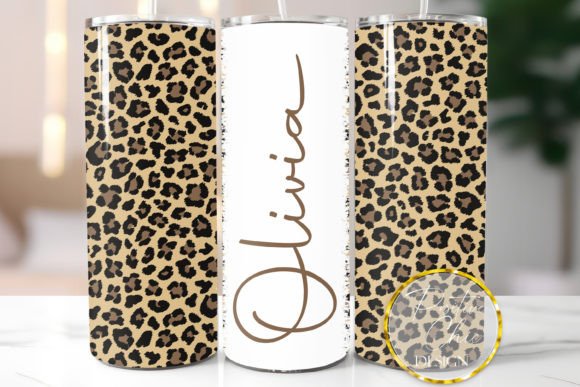
Animal Print Tumbler Design Sublimation: A Designer's Guide to the 20oz Skinny Wrap
In the world of personalized drinkware, the 20oz skinny tumbler has become more than just a vessel for your morning coffee; it's a statement piece, a mobile billboard for personal style. At the heart of this trend is the powerful visual language of animal print. A well-executed Animal Print Tumbler Design Sublimation file isn't just a pattern—it's a complete aesthetic, a vibe that communicates boldness, confidence, and a touch of the wild. When you acquire a digital download like the one described, you're not just getting a PNG file; you're investing in a versatile design asset that can define a product line or a personal project.
This specific design, a high-resolution PNG file sized for a 20oz skinny tumbler, is the cornerstone of modern sublimation crafting. It's a premium font in the world of patterns, created with the end-user in mind. The slightly oversized format is a deliberate and practical choice. It acknowledges a fundamental truth of the sublimation world: no two brands of skinny tumblers are identical. A wrap for an HSTumbler might have a slightly different circumference than one from a Cricut mug press or a generic brand. By providing a design that's a bit larger, the creator empowers you, the designer or small business owner, to resize it precisely for your specific substrate without losing quality or running into white edges. This thoughtful approach to file preparation is the mark of a professional design asset, saving you time and material waste.
Visual Personality and The Psychology of the Pattern
An Animal Print Tumbler Design Sublimation file carries a distinct personality. The visual characteristics are rooted in organic, flowing lines and high-contrast patterns that mimic the markings of creatures like leopards, cheetahs, or zebras. This isn't a clean, geometric sans serif font or a traditional serif font. It's a display font in its own right—a pattern meant to be the star of the show. Its style is inherently dynamic and energetic. A classic leopard print, for instance, evokes a sense of glamour and edgy sophistication, while a zebra stripe can feel more graphic and modern.
The overall appeal lies in its versatility and instant recognizability. Animal prints are a perennial favorite in fashion and interior design, and that translates directly to the product market. Using this design on a tumbler taps into a pre-existing cultural understanding. Your audience doesn't need an explanation; they immediately grasp the aesthetic. It’s a powerful tool for brand identity, especially for entrepreneurs targeting a demographic that values bold self-expression. Think of a boutique coffee shop creating a line of "on-the-go" tumblers for their stylish clientele, or a fitness brand offering shaker bottles that look as fierce as their workout regimen. The pattern itself becomes a part of the brand's visual hierarchy, instantly communicating its core values.
Practical Application: From Digital File to Finished Product
Getting from a digital PNG to a flawless, professionally wrapped tumbler requires understanding the tools and the process. A common pitfall for newcomers is attempting to use cutting software like Cricut Design Space or Silhouette Studio. It's crucial to remember that this is a sublimation file, not a cut file. These programs are not designed to handle the color profiles and printing requirements of sublimation. Printing from them can lead to incorrect colors, low resolution, and a failed project.
For the best results, use a program designed for image manipulation or one that respects print quality. Free options like Paint 3D, Canva, or Inkscape are excellent starting points. For those with more experience, professional software like Adobe Photoshop or Affinity Photo offers ultimate control over color correction and sizing. Here is a practical workflow:
- Import and Resize: Open the PNG file in your chosen software. Use the dimensions of your specific tumbler brand as a guide to resize the image, ensuring it wraps seamlessly.
- Mirror the Image: This is a non-negotiable step in sublimation. You must horizontally flip or mirror your entire design before printing. If you skip this, your final product will be a backward reflection of the original.
- Print on Sublimation Paper: Using a sublimation printer loaded with special sublimation inks, print your mirrored design onto sublimation transfer paper. Ensure your printer settings are optimized for high quality.
- Apply with Heat: Secure the printed transfer around your tumbler using heat-resistant tape. Place it in a mug press or convection oven with the appropriate time and temperature settings. The heat turns the ink into a gas, which then permanently bonds with the polymer coating of the tumbler.
It's also important to manage expectations regarding color. What you see on your monitor is an RGB representation, while the final printed product is a CMYK approximation. Colors can and will vary based on your specific printer, the brand of sublimation ink you use, and the quality of the tumbler's coating. This is where testing becomes your best friend. Always print a test on a spare piece of paper to check for color accuracy before committing to a final product.
Building a Brand with a Bold Foundation
An Animal Print Tumbler Design Sublimation file is more than a one-off project; it's a foundational element for building a cohesive product line. Its strength lies in its ability to be paired with other design assets. Imagine combining this wild pattern with a clean, modern sans serif font for a monogram or a business name. The contrast between the organic, chaotic pattern and the structured typography creates a sophisticated and professional look.
This is where principles of font pairing become essential. A bold, graphic animal print can handle a strong typeface. A delicate script font might get lost, but a sturdy handwritten font could work for a more rustic, boutique feel. Consider how the tumbler's design interacts with other marketing materials. The same animal print pattern could be used as a background for social media graphics, a texture in web design, or a detail on packaging design. This consistency is what builds a strong, recognizable brand identity.
Ultimately, the value of this digital download is in its potential. It’s a piece of modern typography translated into pattern form. For the crafter, it’s a path to creating unique, sellable products. For the entrepreneur, it's a tool for developing a memorable brand. For the designer, it's a versatile asset that can be integrated into a wide range of creative projects, from editorial design mockups to client branding packages. By understanding its nature as a sublimation file and using the right tools, you can unlock its full potential and create something truly striking.